In the Arizona desert, a little over an hour East of Tucson, you’ll find The Thing. A staple of the I10 since 1965, this mysterious roadside attraction begins to draw you in long before you reach it, with dozens of billboards spread across about 200 miles of road, all daring you to come see The Thing.[1]”
The Thing is only one part of the much larger Bowlin’s rest stop that also includes a gas station, a Dairy Queen, and a very large gift shop. Though we had been stopping there on road trips for years, I had never actually paid to see this “mystery of the dessert.” That is until spring of 2025 when I stopped with my sister and one of my nieces. We paid for the family rate and entered into the resting place of The Thing.
So, what is The Thing? By all accounts, it is a tourist trap.
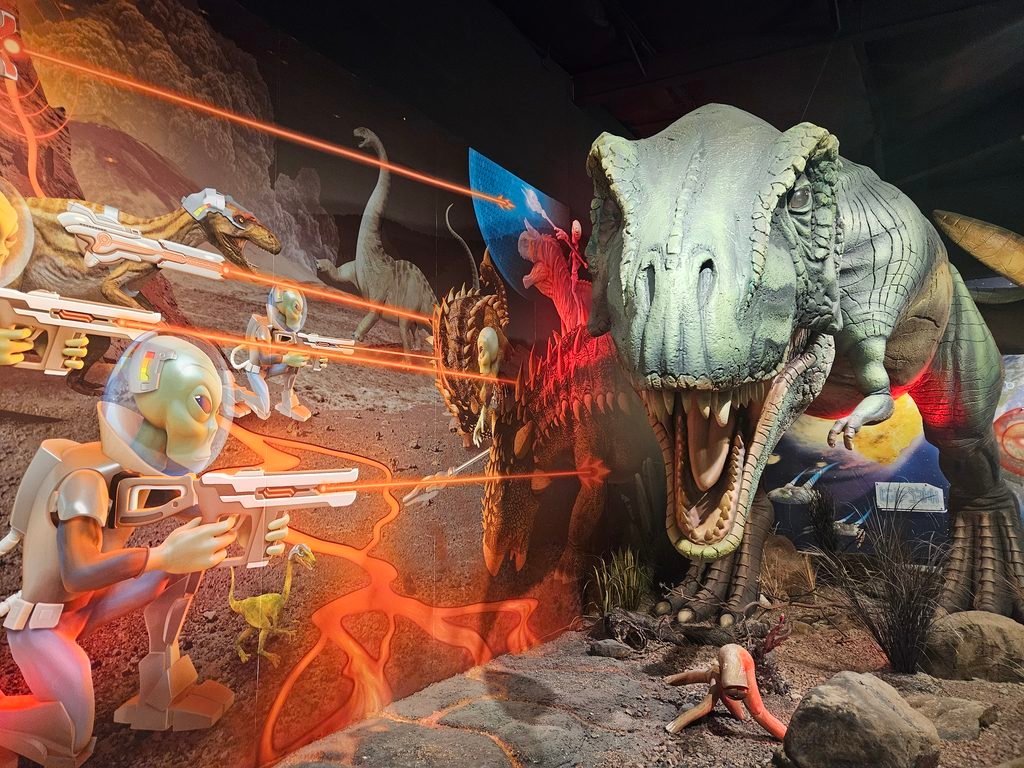
I missed it in all the rinky dink glory that characterized its first 50+ years, when you had to go through a series of trailers with bizarre displays.[2] Instead, I saw it after its 2018 remodel. [3] Now it features a surprisingly put-together series of rooms with murals, statues, and “artifacts” that expound on a—let’s go with an alternate—theory for the development of civilization. One that says warring factions of aliens came to earth centuries before the development of mankind and befriended the dinosaurs before eventually helping humans evolve. All of this leads up to The Thing, a mummified…something, most likely a fabrication, and we are meant to decide for ourselves if this is evidence of these strange visitors.
It was ridiculous, and probably a waste of time and money. Kitsch meets consumerism. And I enjoyed every ridiculous second of it because it was the kind of experience I wanted and expected. I mean, the aliens riding dinosaurs was a surprise, but the flavor of the experience hit the spot.
As humans, we crave the unique and the absurd. There’s a reason that “The World’s Biggest Ball of Twine” has entered the lexicon to the point of being a cliché. Most American roadside attractions came into existence somewhere in the 1920s and 1930s as car travel and interstates expanded.[4] However, they aren’t a uniquely American phenomenon.
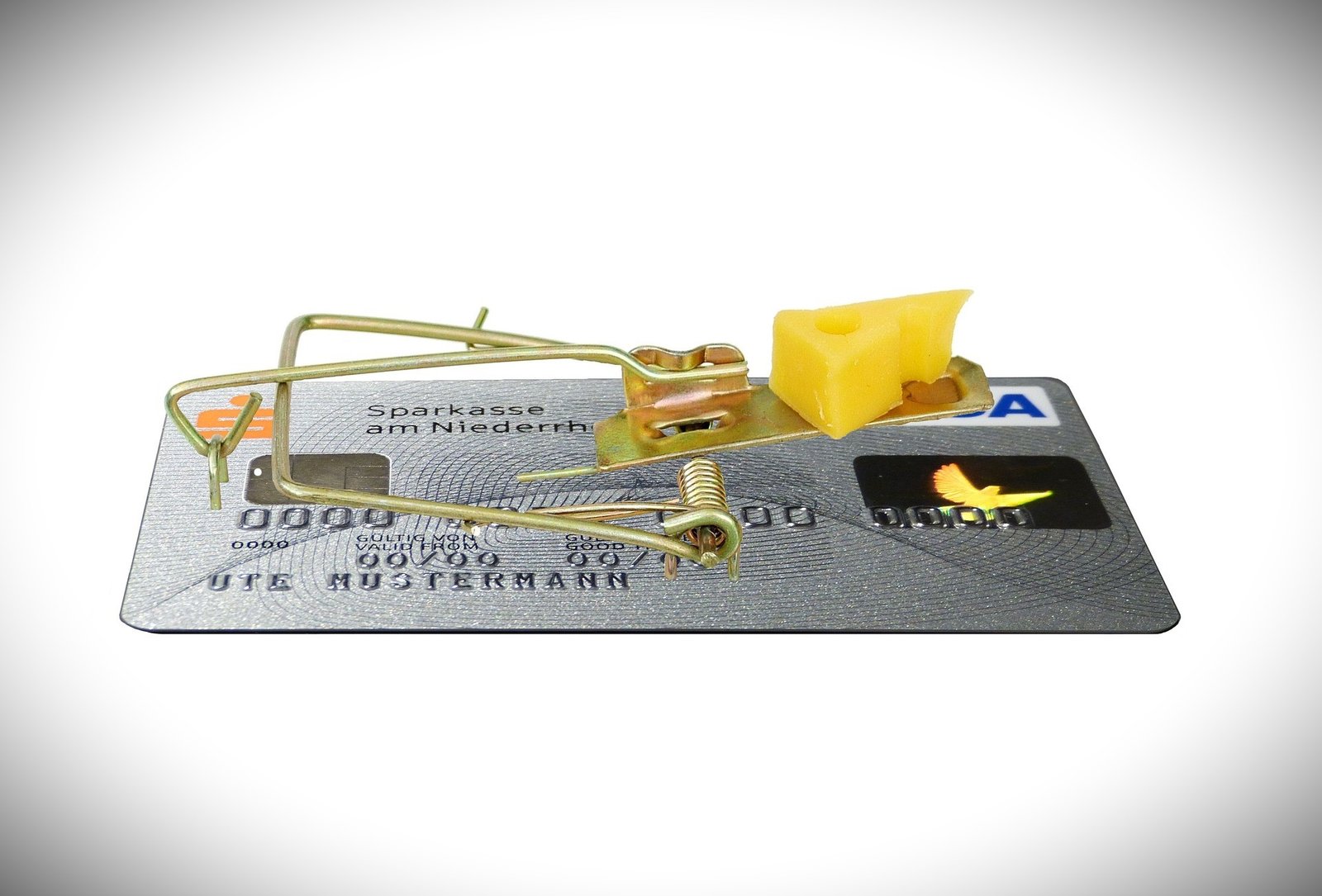
A tourist trap is any attraction designed to draw in and exploit consumers, or any place where the main goal is to sustain tourism above all other interests.[5] This means that a tourist trap could be a classic roadside stop or a phony museum, or it could be a sight of legitimate historical or cultural value that has become overwhelmed by the tourist industry around it. Just think of it like a giant mousetrap that draws you in with the promise of fun or the perfect Instagram post (say cheese!) but then snaps down on your time and/or money.
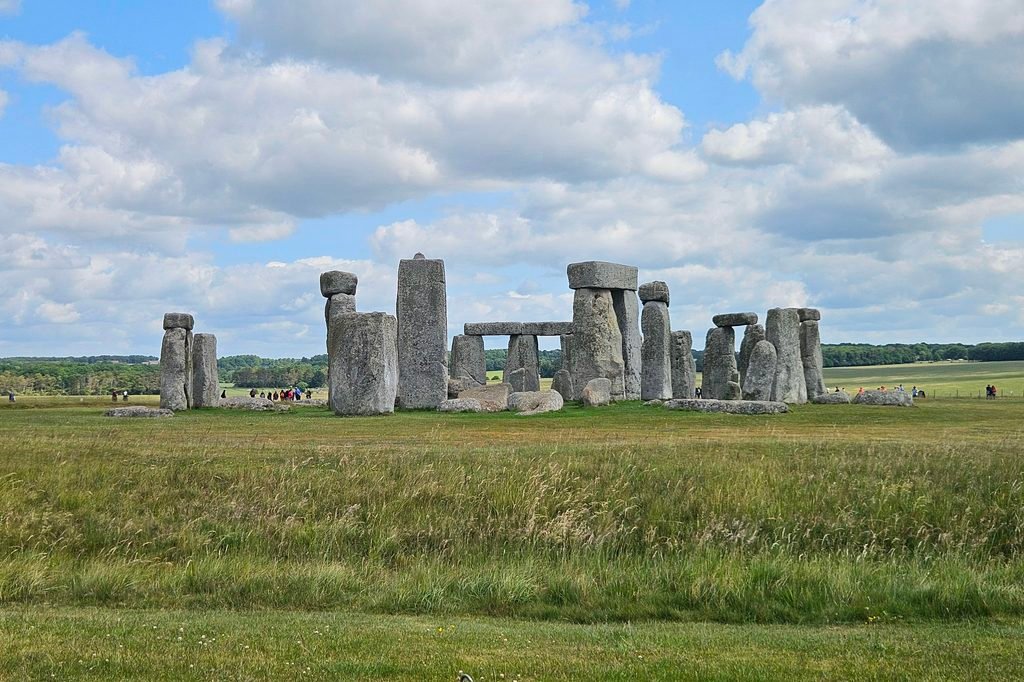
The question is, should tourist traps (or near tourist traps) always be avoided?
That depends.
Some attractions may offer a great photo op but have a high fee, a long line, and nothing else. Other stops may have real value, but you have to swim through a large and unruly crowd of other tourists, scammers, cheap souvenirs, and pickpockets. Still other sights may technically deliver but are overall underwhelming. Maybe because you find them boring, maybe because they just aren’t your thing. This is a normal part of travel. But you can cut down on the risks.
Before you decide whether or not one of these attractions is right for you, ask yourself the following questions:
- How much does it cost?
- How much time will it take?
- What value am I taking from the experience?
If the experience outweighs the cost in time and money, it might be worth doing, even if it sounds ridiculous. For me, The Thing was worth it because it was inexpensive, it didn’t take much time, and I got a good story. What can I say? I’m a fan of the whimsical and the absurd. These touristy areas often get a bad rep, but sometimes they can be the highlight of your trip, if you know what you’re getting and you’re willing to take the chance.
For example, Blarney Castle is often considered one of the biggest tourist traps in Ireland. Still, I always wanted to go. Partially because I’m fascinated by folklore, and kissing the Blarney stone allows me to be part of it in a small way.
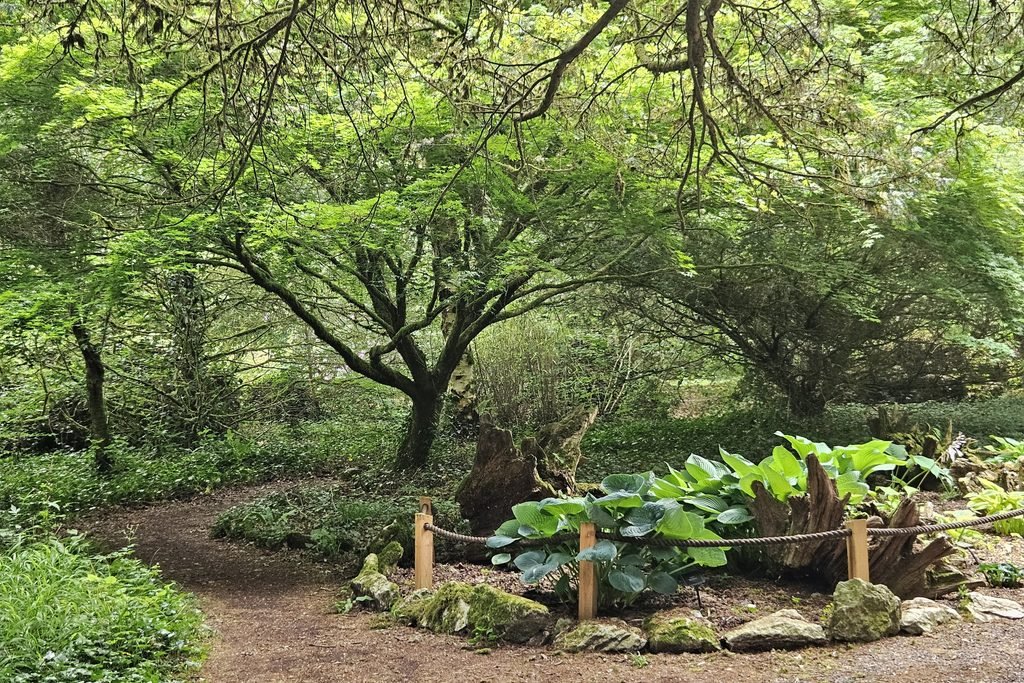
But I did my research and knew what I wanted to take from the trip. If the entire stop had just been a two hour wait in line to have my picture taken as I was shoved over a gap to kiss a germ-ridden stone, I would have found it a waste of time. But it wasn’t. Not only did I kiss the stone, I got a great view from the top of the castle, the chance to explore the ruins on the way down, and the opportunity to wander the green and gorgeous grounds and gardens, which is what I wanted to do the most. For me, the offering was completely worth the investment of time and money. I wasn’t tricked into anything, and I had the experience I wanted. I just hope that I didn’t wipe the gift of gab off my lips when I sanitized them almost immediately after puckering up.
It’s always best to research a stop beforehand. But even if you’re road tripping and stopping someplace on the fly, those three questions will still be able to tell you whether or not an attraction will be worth it. And not all of them will be. Some things just aren’t for you, and that’s okay. Other stops might be exactly your thing. But don’t discount a tourist trap just because, you know, it’s a trap. You don’t have to get caught in it. In fact, you might be the mouse that gets the cheese.
[1] The Thing: 1965-2018, Dragoon, Arizona. (n.d.). RoadsideAmerica.com. https://www.roadsideamerica.com/story/62807#google_vignette
[2] Kold. (2018, August 25). “The Thing,” a famous highway pit stop and museum, is back open. https://www.kold.com. https://www.kold.com/story/38961754/the-thing-a-famous-highway-pit-stop-and-museum-is-back-open/
[3] Bowlin’s the Thing | Discover unique curiosities today. (n.d.). Bowlin’s the Thing. https://www.bowlinsthething.com/
[4] National Park Service & U.S. Department of the Interior. (1920). Teaching with Historic Places. In Roadside Attractions [Lesson]. https://www.nps.gov/teachers/classrooms/upload/TwHP-Lessons_6roadside.pdf
[5] Polus, R., Nautiyal, R., & Nautiyal, A. (2025). Caught in the Maze: Exploration of the ‘tourist trap’ phenomenon. ScienceDirect, 106. Retrieved June 24, 2026, from https://www.sciencedirect.com/science/article/pii/S0261517724001286
